
Categories
Blog

Workflow Automation in Fixed Income: Scaling with Technology

The fixed income landscape continues to evolve, driven by advancements in technology that are reshaping how firms manage liquidity, optimize execution, and personalize investment solutions. This article is the second installment in bondIT’s series exploring key themes from our recent event, “Market Structure & Technology Intersect with Necessity.” In this edition, we focus on the transformative role of workflow automation in fixed income, examining how firms are leveraging technology to scale their operations and enhance client outcomes.

Enhancing Liquidity Aggregation

A key advantage of automation in fixed income is the ability to aggregate and optimize liquidity across multiple sources. By integrating advanced technology, firms can streamline the process of sourcing bonds, both improving execution efficiency and ensuring competitive pricing.

This multi-venue aggregation on a technology enabled platform ensures an improved trading experience, better pricing for clients and an enhanced ability to solve liquidity challenges.

“Through automating our fixed income workflows, we’re able to provide our clients with enhanced liquidity, optimized execution, and competitive pricing. Integrating our custody holdings and scaling RIA and IBD workflows has also been transformational,” says Steven Odierna, Director, Global Markets Trading at BNY. “By leveraging bondIT’s technology, we’re well-positioned to deliver a higher level of service and value to our clients.”

Portfolio Construction and Optimization

Beyond liquidity, optimization capabilities have become a cornerstone of automated workflows. By leveraging data-driven analytics, firms can refine portfolio construction, aligning investments with client objectives more effectively.

Intuitive user interfaces and scalable infrastructure further empower registered investment advisors (RIAs) and independent broker-dealers (IBDs) to manage growing client bases without sacrificing precision or performance.

The ability to pre-set investment guidelines, upload specific client universes as approved lists and adhere to individual client rules makes for the automation of portfolio and proposal building.

Accessing Existing Client Holdings

A critical component of fixed income automation is the seamless integration of client holdings across multiple custodians. By leveraging API connectivity and data aggregation tools, firms can synchronize accounts in real time, ensuring a consolidated view of client portfolios. This enables advisors to construct and optimize portfolios with full visibility into existing exposures, streamlining the investment process and improving risk management.

Automating the retrieval and reconciliation of holdings across custodians eliminates manual data entry, reducing errors and enhancing operational efficiency. With a unified account view, RIAs and IBDs can scale their fixed income offerings while maintaining a high level of customization and compliance oversight.

Personalization as the Future of Fixed Income

Technology is also redefining how firms approach personalization in fixed income. Historically, customization was limited to large institutional clients with the scale to support separately managed accounts (SMAs). However, automation is lowering these barriers, enabling more firms to offer tailored portfolios at reduced minimums.

The consensus among industry participants is clear: the future of fixed income lies in greater customization. Leveraging technology to construct personalized portfolios allows advisors to better meet the specific needs of their clients, making sophisticated investment strategies accessible across a broader wealth spectrum. Automation not only facilitates this level of customization but also ensures that scalability remains intact, a crucial factor for firms looking to expand their reach.

Bringing Down SMA Minimums Through Automation

As demand for SMAs grows, reducing account minimums has become a focal point for firms seeking to broaden access to personalized fixed income strategies. Automation is the key enabler in this shift, allowing wealth managers and advisors to efficiently manage smaller accounts without incurring prohibitive costs.

By integrating workflow automation into their investment processes, firms can streamline portfolio construction, trade execution, and compliance monitoring – ensuring that customized solutions remain both accessible and cost-effective. This technological evolution is redefining the economics of SMAs, making them a viable option for a wider range of investors.

The Future of Fixed Income Automation

As technology continues to evolve, the automation of fixed income workflows will play a pivotal role in shaping the industry’s future. From liquidity aggregation to portfolio optimization and SMA accessibility, firms that embrace automation will be best positioned to scale their operations and deliver enhanced value to clients.

Looking ahead, the integration of AI-driven analytics and intelligent execution strategies will further refine automation’s impact, driving greater efficiency and deeper personalization. As firms navigate this transformation, the ability to harness cutting-edge technology will define success in the next generation of fixed income investing.

What opportunities or challenges do you see in the automation of fixed income workflows? We’d love to hear your thoughts – reach out to our team to continue the conversation.
Categories
News

bondIT’s Saved Search: Finding the Right Bonds for your Portfolio is Now Even Easier

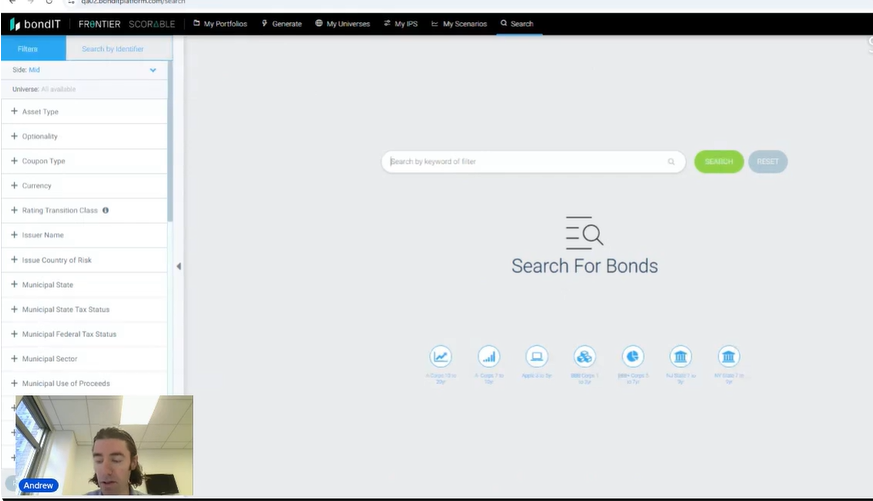
With attractive yields and strong demand, finding the right bonds just got even easier. bondIT’s new Saved Search functionality helps you scale your fixed income workflows and improve efficiency. 

Set it & save it: Customize searches with your preferred criteria and save them for future use.
Boost efficiency: Instantly re-run searches, edit search criteria, and filter results to make faster, more informed decisions.
Seamless integration: Select search results and quickly move to additional functions like Compare or Add to Portfolio. 

See it in action! Watch our quick video to explore how Saved Search can elevate your bond selection process:

Ready to experience a smarter way to search? Contact our team today for a demo or free trial. 

Categories
Blog

AI Trends in Wealth Management

Artificial Intelligence has become a major force in wealth management, offering new ways to manage investments more effectively. AI helps simplify complex tasks and improve decision-making. With its ability to process vast amounts of data quickly, AI delivers insights that were once difficult to obtain.

Wealth managers now use AI to customize portfolios to meet unique client needs. This personalization makes managing assets more precise and aligned with individual goals. AI’s predictive capabilities also enable better forecasting of market trends, allowing investors to reposition strategies as needed.

AI’s role goes beyond improving returns—it’s vital in risk management and compliance. By spotting potential issues early, AI systems help ensure adherence to regulations and protect investments. These innovations show how AI is shaping the future of wealth management, bringing a more efficient and tailored approach to handling assets.

The Rise of AI in Wealth Management

AI is transforming wealth management with its ability to optimize and streamline processes. It has taken center stage in delivering efficiencies by automating tasks that once required a lot of manual effort. This change allows wealth managers to focus on more strategic and value-adding activities.

A key feature of AI in wealth management is its data processing strength. AI quickly processes large datasets, extracting valuable insights that support better decision-making. It identifies trends and patterns in financial data that humans might overlook. By analyzing historical and current data, AI helps managers predict market movements more accurately, giving them a competitive edge.

Several factors contribute to the rise of AI in this field:

  • Cost Efficiency: AI reduces the costs associated with data analysis by automating complex calculations, reducing the need for extensive human resources.
  • Scalability: As businesses grow, AI solutions easily scale without the need to multiply human resources drastically.
  • Improved Accuracy: AI reduces the margin of error, providing more precise analytics compared to manual processes.

These factors, combined with increasing client expectations for personalized services, drive the integration of AI in wealth management. AI not only enhances operational efficiency but also provides new opportunities for innovation and growth in asset management practices.

How AI Enhances Portfolio Customization

AI offers remarkable advantages in customizing investment portfolios to meet specific client needs. Personalization in portfolio management is becoming more relevant as investors demand solutions that match their unique financial goals and risk tolerance. AI-driven platforms facilitate this by delivering precise, personalized investment strategies.

Machine learning algorithms play a significant role in portfolio customization. They examine client data, like investment history and risk preferences, to tailor portfolios that best align with individual objectives. These algorithms adapt to changes, ensuring portfolios remain relevant as market conditions shift.

AI tools also provide real-time analytics, giving wealth managers instant feedback on portfolio performance. This feedback loop allows for continuous improvements and adjustments, helping maintain an optimal investment mix.

Key ways AI enhances portfolio customization include:

  • Behavioral Analysis: Understanding investor behaviors to tailor strategies that resonate with their financial goals.
  • Risk Management: Balancing risk levels based on client-specific risk tolerance, while optimizing returns.
  • Dynamic Allocation: Quickly reallocating assets in response to market shifts, ensuring client portfolios remain on track.

This level of customization ensures investors receive a personalized service that caters to their expectations, ultimately improving satisfaction and trust in wealth management services. AI-driven customization empowers wealth managers to provide high-quality service efficiently and consistently.

Predictive Analytics in Investment Strategies

Predictive analytics has become a cornerstone of modern investment strategies, thanks to AI’s capabilities. With AI, wealth managers can forecast market movements and better understand potential investment outcomes. This ability helps in making informed decisions that align with clients’ financial goals.

Predictive analytics uses historical data to identify trends and predict future financial events. AI algorithms analyze past market behaviors and apply these insights to current conditions, offering forecasts about stock movements or economic shifts. By anticipating these changes, investors can adjust portfolios proactively.

AI-powered tools also help identify emerging opportunities by analyzing vast datasets that humans cannot process quickly. These tools highlight investments that could yield high returns, enabling wealth managers to act swiftly and confidently.

The benefits of predictive analytics include:

  • Early Risk Detection: Spotting market volatility before it impacts investments allows for timely intervention.
  • Opportunity Identification: Finding new investment opportunities in nascent industries or under-explored markets.
  • Enhanced Decision-Making: Providing a foundation for strategic decisions based on predictive insights and data-driven logic.

With predictive analytics, wealth managers can offer clients an advanced, anticipatory view of their investments, leading to better strategies and more reliable financial outcomes.

The Role of AI in Risk Management and Compliance

AI plays a crucial role in enhancing risk management and compliance within wealth management. It strengthens the ability to monitor and mitigate risks, ensuring investments remain secure and within regulatory frameworks. This capability is essential as financial landscapes become more complex.

AI systems actively track and analyze a wide range of market data to uncover potential risks before they escalate. By continuously scanning variables like market volatility and credit risk, AI alerts managers about possible issues, allowing them to take preventive measures.

In compliance, AI helps automate regulatory reporting and audit trails. This automation reduces the burden on human resources and decreases the chances of errors in reporting. AI systems ensure that all financial activities adhere to the latest regulations, thus avoiding penalties and maintaining trust with clients.

AI’s role in risk management and compliance includes:

  • Regulatory Adherence: Automatically updating compliance procedures to reflect new rules.
  • Real-Time Monitoring: Keeping a constant watch on market conditions and portfolio performance.
  • Fraud Detection: Identifying unusual patterns that could indicate fraudulent activities.

This proactive approach to risk and compliance ensures that investment strategies are robust, secure, and agile, adapting quickly to any changes.

Conclusion:

AI is reshaping how we approach wealth management, offering tools and insights that bring clarity and efficiency to the financial world. As we integrate AI further, its capacity to enhance portfolio customization, predict market changes, and manage risks becomes increasingly pivotal. AI not only eases the complexities of wealth management but also opens new avenues for growth and innovation.

Embracing AI as part of your investment strategy is more than a trend; it’s a step towards better financial stewardship. At bondIT, we provide the tools and expertise to leverage AI effectively. Discover how our AI-driven solutions can enhance your wealth management processes, ensuring your financial strategies are as dynamic and sophisticated as the markets themselves.

Categories
Blog

Watch our Video: Scorable Q1/2025 Credit Insights

The credit landscape is shifting as we enter 2025. Our latest Scorable Credit Insights reveal:
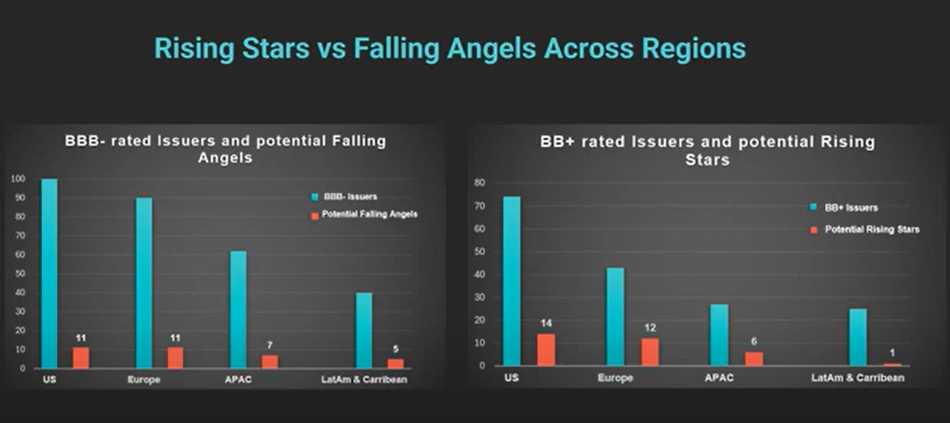
🔹 Falling Angels on the rise – 34 issuers at high downgrade risk, up from 30 last quarter.
🔹 Fewer Rising Stars – 33 issuers identified for potential upgrades, down from 37.
🔹 Regional trends: US & Europe still see more upgrades than downgrades, but the gap is closing. In APAC & LATAM, the outlook is more concerning.
🔹 Sector insights: Household & consumer goods face increased risks, while travel & tourism sees improvements.

Want to stay ahead of market shifts? Our AI-powered Scorable platform helps investors anticipate rating changes and spot opportunities before the market does.

Watch the full video now:

Categories
Blog

Accelerating the Electronification of Fixed Income Markets 

The fixed income landscape is undergoing a profound transformation, shaped by the interplay of market structure and technological innovation. This article is the first in a new bondIT series exploring key themes from our recent “Market Structure & Technology Intersect with Necessity” event. Stay tuned for future editions as we delve deeper into topics shaping the future of fixed income markets in 2025 and beyond.

Balancing Market Privacy with Execution Efficiency

Traditional fixed income trading often relied on over-the-counter (OTC) methods, but these are increasingly being replaced by electronic platforms. While market privacy can hinder liquidity aggregation, innovations are emerging to bridge this gap. Centralized electronic venues are becoming essential for corporate bond trading, with liquidity aggregation and pricing transparency driving greater adoption. In fact, a recent survey by Barclays found that 60% of Credit respondents now use some form of venue-based or in-house automated execution, up from 40% the prior years. This shift reflects a broader industry move toward more efficient credit trading workflows.

Execution management systems (EMS) are key enablers of this trend, outperforming traditional order management systems (OMS) by focusing on the trading infrastructure – the “pipes” of the market. These systems facilitate faster trades and offer improved execution quality by integrating liquidity from multiple sources.

Challenges and Opportunities

Despite advancements, achieving best execution in fixed income markets remains a challenge. Unlike equities, fixed income markets are more fragmented, and access to liquidity can vary significantly among participants. Liquidity fragmentation has been identified as a primary challenge in corporate bond trading. However, the adoption of algorithmic trading strategies and real-time market intelligence is helping to address this issue.

The evolution of electronic trading has shifted from the proliferation of platforms in the early 2000s to today’s focus on cost-efficient models, such as maker-taker pricing. These innovations are essential for fostering greater adoption and delivering value to market participants.

Another key opportunity lies in enhancing the scalability and accessibility of electronic platforms. By addressing the historical barriers of high costs and manual processes, firms can democratize access to efficient trading solutions. For example, cloud-based platforms that integrate real-time data and automated workflows are poised to transform back and middle-office operations, making the entire trading ecosystem more agile and cost-effective.

The Future of Fixed Income Trading

The shift toward electronification is not merely a technological upgrade but a strategic necessity. With the increasing complexity of fixed income markets, firms must leverage advanced systems to stay competitive. However, it is critical that technology is developed specifically for fixed income markets rather than retrofitting equity-based solutions. Fixed income’s unique challenges—such as liquidity fragmentation, varied participant access, and market privacy concerns—demand specialized innovations that address its intricacies. Technology designed with these considerations in mind will be vital in shaping the future of fixed income management and trading.

As the industry continues to evolve and embraces electronification, the fixed income market is on the cusp of a transformation that promises greater efficiency, transparency, and accessibility for all stakeholders. With 2025 just around the corner, it’s shaping up to be another exciting year for fixed income, as we witness the convergence of technology and market structure to drive even greater progress.

As technology reshapes the fixed income landscape, what do you see as the biggest challenge or opportunity? We’d love to hear your thoughts— reach out to our team to continue the conversation!